
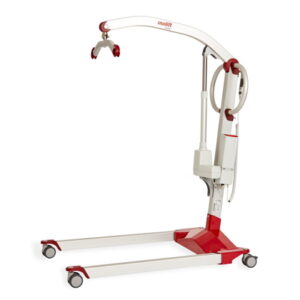
Molift Mover 180
Assessment considerations: Hoist, sling and attachment compatibility; lifting range, safe working load and space.
Manufacturer information ↗Examples from Etac, Prism Medical UK and others, with the assessment considerations that decide whether each is suitable. Examples, not prescriptions.
Not "a hoist": the exact make, model and configuration, with the manufacturer's current instructions.
Assessment considerations: Hoist, sling and attachment compatibility; lifting range, safe working load and space.
Manufacturer information ↗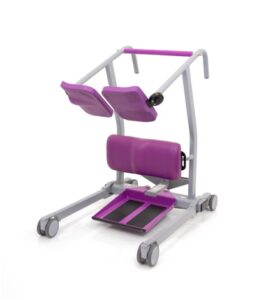
Assessment considerations: Assessed participation, weight bearing, balance, grip and device-specific requirements.
Manufacturer information ↗
Assessment considerations: Posture, access, transfer method, foot support and individual configuration.
Manufacturer information ↗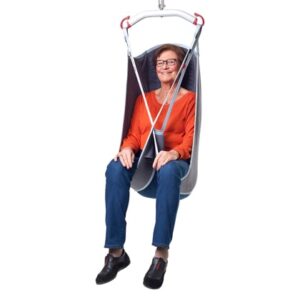
Assessment considerations: Type, size, material, attachment choices and compatibility with the exact hoist.
Manufacturer information ↗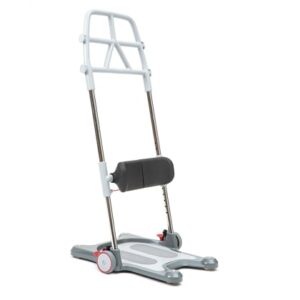
Assessment considerations: Active participation and the standing control required by the manufacturer.
Manufacturer information ↗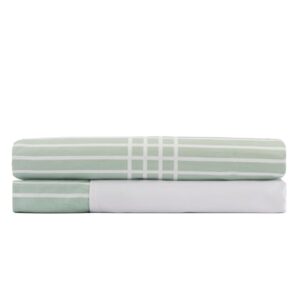
Assessment considerations: Movement ability, skin risk, mattress compatibility and positioning needs.
Manufacturer information ↗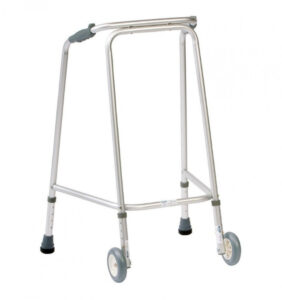
Assessment considerations: Handle height, wheel configuration, grip, gait and the assistance required.

Assessment considerations: Surface heights, gap, positioning, skin risk and the person’s active ability.
Manufacturer information ↗
Assessment considerations: Alignment, dimensions, pressure risk, skin and mattress system.
Manufacturer information ↗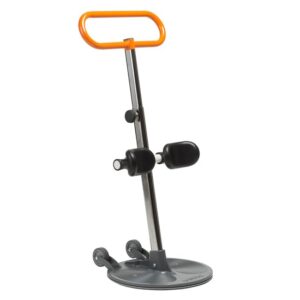
Assessment considerations: Assessed weight bearing, grip, balance, knee control and assistance.
Manufacturer information ↗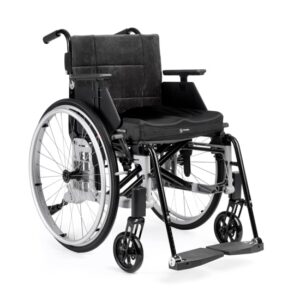
Assessment considerations: Specialist seating, posture, pressure, propulsion, transfers and environment.
Manufacturer information ↗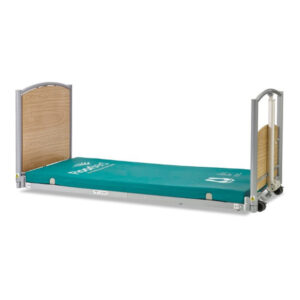
Assessment considerations: The complete bed and mattress system, access, height and accessories.
Manufacturer information ↗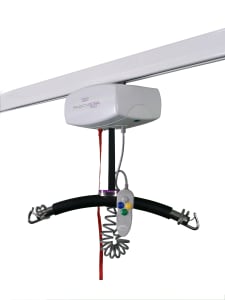
Assessment considerations: Specify the track layout, exact hoist variant, sling compatibility, lifting clearance and emergency arrangements.
Manufacturer information ↗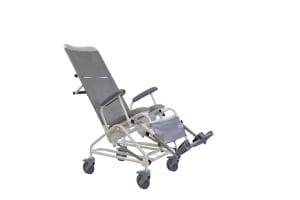
Assessment considerations: Assess seating dimensions, posture, head and foot support, transfer access and the required configuration.
Manufacturer information ↗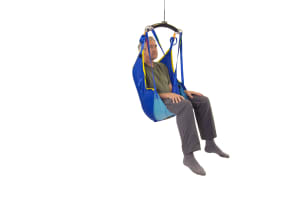
Assessment considerations: Select size, fabric, head support and attachment configuration for the individual and the compatible hoist.
Manufacturer information ↗Manufacturer names are for identification, not endorsement. Exact instructions, hoist–sling compatibility, safe working load, LOLER examination, staff competence and a person-specific assessment govern use.
An equipment and transfer assessment looks at the person, task and environment together, then specifies the device, size and settings.