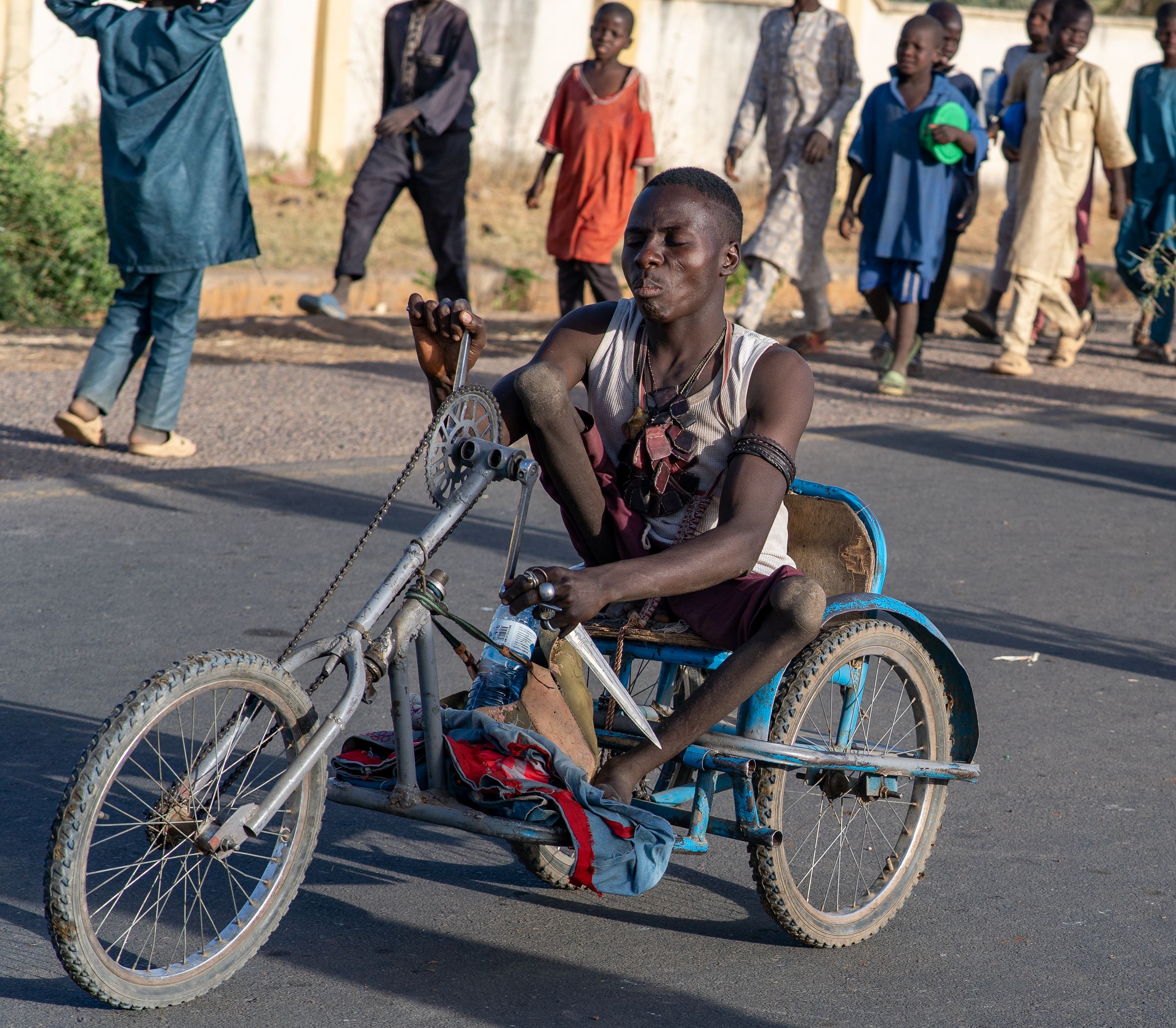
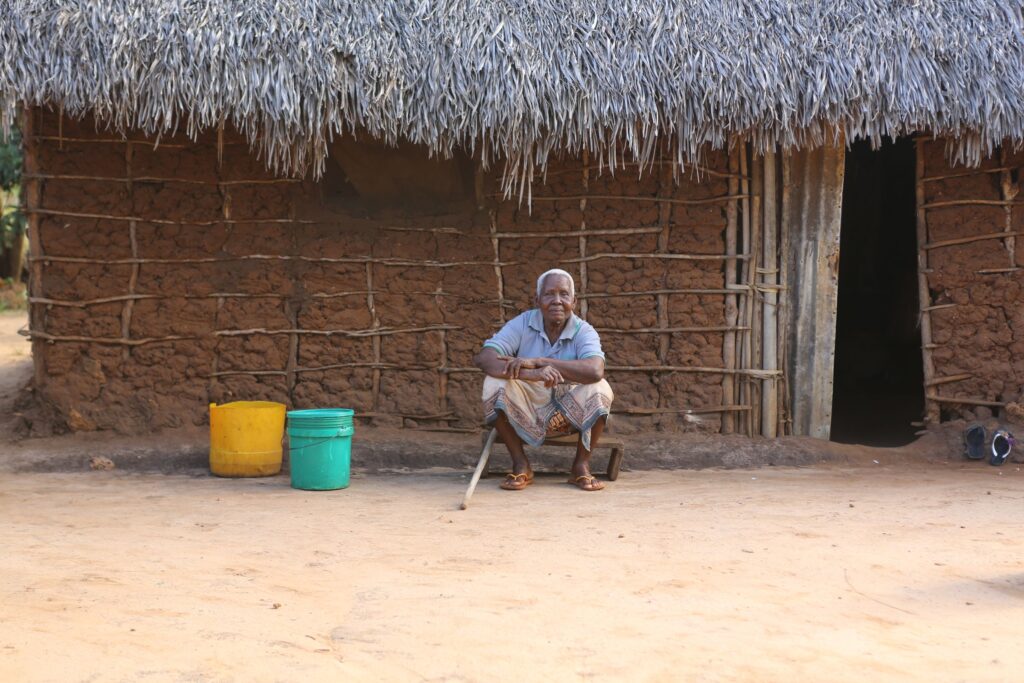
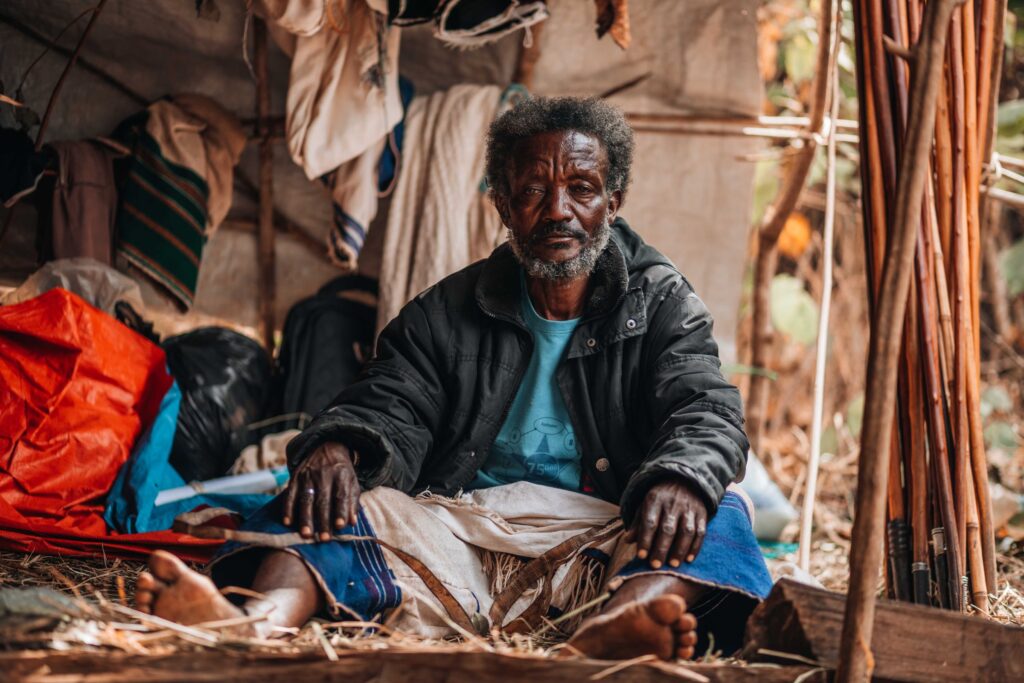
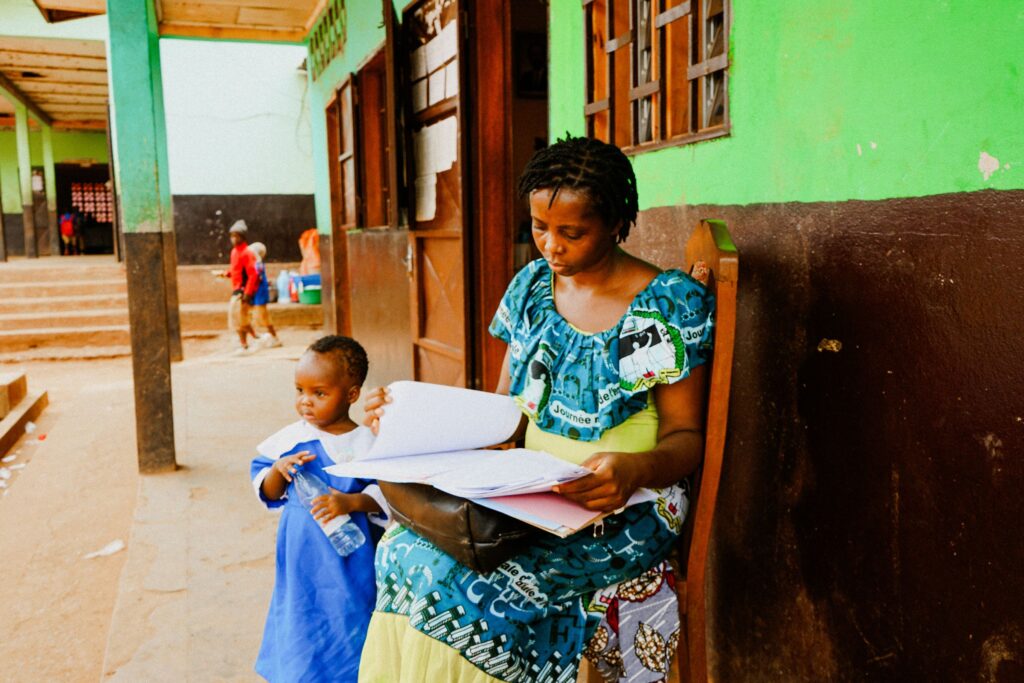
Physiotherapy and occupational therapy alongside charities and community organisations: assessment, practical advice and training for the people you support, the places you use and the people who help.
Five things every partnership works towards: mobility, accessibility, independence, wellbeing, participation.
The model in one view
You know the people. We bring the clinical work.
A partnership with Thrive is simple to describe. You keep doing what you do well. We add the physiotherapy and occupational therapy expertise that turns good intentions into safe, well-fitted, practical support.
01
You bring
The people you support and what you know about them
Your venues, activities, volunteers and carers
The barriers you keep seeing and cannot fix alone
02
We bring
Physiotherapists and occupational therapists who assess how people move and manage day to day
Plain-language advice on homes, venues, seating and equipment
Training for staff, volunteers and family carers, and inclusive activity design
Honest signposting when a need sits outside our scope
03
People get
Aids that fit them and the ground they live on
Places they can get into and activities they can join
Helpers who know what is safe and what to avoid
Confidence to move, take part and stay part of their community
How a partnership works
Five steps, shaped with you.
Every partnership follows the same five steps, from the first conversation to the review. You set the priorities, we bring the clinical work, and we decide the pace together.
01Listen
02Explore
03Co-design
04Support
05Reflect
How a partnership works
Five steps, shaped with you.
Every partnership follows the same five steps, from the first conversation to the review. You set the priorities, we bring the clinical work, and we decide the pace together.
01of 05
Listen
We start with the community: lived experience, priorities and the barriers people describe in their own words.
02of 05
Explore
Together we identify the mobility, accessibility, environmental or participation challenges that matter most.
03of 05
Co-design
We develop practical, inclusive approaches with you, shaped by your purpose and the people you support.
04of 05
Support
We deliver the agreed assessment, education, guidance or community activity, in your setting or remotely.
05of 05
Reflect
We gather feedback, review what was learned and identify meaningful next steps together.
What we offer
Twelve services, in four themes.
Each card is one thing we can do with your organisation. Open it to see exactly what is included, how it helps you and where the boundaries are, and add the ones you want to your enquiry as you go.
A
Mobility and functional assessment
How a person moves, transfers and gets about, understood in the place they do it.
Functional mobility and movement assessments
Sit-to-stand, bed mobility, walking and transfer assessment where appropriate
Balance, strength, coordination and movement confidence
Assessment of barriers affecting everyday activities and community participation
Mobility guidance tailored to individual goals and functional abilities
Recommendations for appropriate onward referral when additional specialist input is required
Advice on supporting safe, meaningful activity within community programmes
Review of mobility changes and guidance on when further clinical assessment may be needed
How it supports your organisation. Your team gains a clear, professional picture of what each person can do, what they want to do and what is in the way, so the activities you run and the support you offer fit the people in front of you.
B
Accessibility and inclusive environments
Walking through your venues and events with an eye for the barriers people meet.
Community venue accessibility walkthroughs
Identification of physical barriers affecting participation
Entrances, pathways, doorways, circulation spaces, seating and activity layouts
Accessibility considerations for workshops, events, group activities and community gatherings
Practical suggestions for improving inclusive participation
Sensory, cognitive, communication and mobility-related access needs
Inclusive positioning, rest areas, accessible activity arrangements and wayfinding
Signposting to specialist access consultants, statutory services or other professionals when necessary
How it supports your organisation. You get practical, prioritised suggestions you can act on in your own building and at your own events, written in plain language for the people who run them.
Scope. Observations and guidance do not replace formal access audits, building-control advice or specialist architectural assessments where these are required.
C
Home adaptations and everyday environments
Everyday guidance on the barriers at home, and when a formal assessment is the right next step.
Identification of environmental barriers affecting daily activities
Practical guidance on everyday task set-up and accessibility
Advice on positioning, circulation, furniture arrangement and safe access
Awareness of common adaptation options such as grab rails, ramps, threshold solutions, accessible seating and bathroom adaptations
Guidance on preparing for discussions with landlords, housing providers, local authorities and adaptation services
Support understanding when an occupational therapy assessment or specialist adaptation assessment may be appropriate
Signposting to appropriate statutory, housing and equipment pathways
How it supports your organisation. The people you support arrive at the right conversation prepared, with a clear description of the barrier and the options, and your staff know which route to point them to.
Scope. Thrive does not approve, prescribe, install or certify every adaptation. General guidance is clearly distinguished from formal assessments and specialist work.
D
Rehabilitation, reablement and physical wellbeing
Building back everyday skills, confidence and participation, one graded step at a time.
Individualised rehabilitation and reablement guidance within professional competence
Functional activity and participation goals
Movement programmes supporting everyday activities
Strength, balance, flexibility, coordination and endurance principles
Graded activity and confidence-building approaches
Strategies for pacing, rest and managing activity demands
Support for maintaining or rebuilding everyday skills
Guidance for returning to hobbies, volunteering, social activities and community participation
Practical education on recognising when a person's needs may have changed
How it supports your organisation. Your groups become places where people rebuild what matters to them, with goals they chose and progress they can see.
E
Fitness advice and inclusive activity
Movement sessions that welcome every ability, designed with the people who lead them.
General physical activity education
Accessible exercise and movement-session guidance
Adaptations to group activities for differing functional abilities
Warm-up, cool-down, strength, balance, flexibility and mobility principles
Advice on graded activity, pacing and progression
Inclusive activity ideas for older adults and people with disabilities or reduced mobility
Guidance for community facilitators delivering suitable activities within their competence
Support designing welcoming and adaptable movement sessions
Signposting to appropriate exercise, rehabilitation and health services
How it supports your organisation. Your facilitators gain the confidence and the tools to run sessions that more people can join and keep coming back to.
Scope. General fitness education is distinct from individualised clinical exercise prescription. Appropriate screening, professional scope and referral considerations apply.
F
Moving and handling, transfers and equipment
Dignified, safe assistance, and honest guidance about when equipment or trained help is needed.
Moving-and-handling awareness for community teams, volunteers and carers
Functional transfer assessment where appropriately commissioned and within scope
Bed mobility and positioning guidance
Equipment awareness and suitability considerations
Practical education about walking aids, transfer aids, slide sheets, hoists and other relevant equipment
Guidance on recognising when equipment or assistance may be required
Person-centred handling principles that protect dignity, choice and safety
Individualised handling plans where appropriate and within professional competence
Staff and volunteer education, practical demonstrations and competency support where agreed
How it supports your organisation. Everyone who helps someone move knows what they can safely do, what they must not attempt, and who to call.
Scope. Untrained volunteers should not undertake high-risk transfers or operate specialist equipment without appropriate training and authorisation.
G
Ergonomics and physical wellbeing for staff and volunteers
Looking after the people who look after others.
Workstation and activity-space set-up guidance
Posture, movement variation and activity-break education
Advice for repetitive, physically demanding or prolonged tasks
Safe handling awareness for relevant volunteer roles
The physical demands of community outreach, events and practical support
Adapting tasks and environments to reduce unnecessary physical strain
Awareness of when a formal workplace risk assessment or specialist ergonomic assessment is needed
How it supports your organisation. Your staff and volunteers stay well, stay involved and set an example for the people they support.
H
Daily living, occupational performance and independence
The activities that make a day feel like their own, and the barriers that stand between.
Understanding the activities that matter most to each person
Identifying barriers to self-care, domestic activities, leisure, education, volunteering and social participation
Task analysis and practical activity adaptation
Activity sequencing, pacing and simplifying complex tasks
Cognition, fatigue, sensory needs, dexterity and functional ability
Strategies to support choice, confidence, routine and meaningful occupation
Guidance on assistive products and everyday equipment
Signposting to occupational therapy, social care or other relevant services when necessary
How it supports your organisation. The support you offer lines up with what each person is actually trying to do, from getting dressed to getting to the choir.
I
Carers, families and community support networks
Practical understanding for the people who are there every day.
Practical education for family carers and informal support networks
Understanding mobility and functional changes
Supporting independence without unnecessary restriction
Promoting dignity, consent, choice and person-centred support
Communication and collaborative goal-setting guidance
Awareness of safe assistance, positioning and transfers
Recognising concerns and seeking appropriate professional support
Community education sessions for carers and support groups
Signposting to relevant respite, carers' support and community services
How it supports your organisation. Carers leave a session with fewer worries, safer habits and a clearer sense of when to ask for help.
J
Falls awareness and safer everyday participation
Fewer falls, more confidence, and a clear route to review when something changes.
Falls-prevention education and awareness
Environmental hazard awareness
Balance and mobility education
Advice on footwear, lighting, pathways and everyday activity arrangements
Confidence-building and graded return to activity
Recognising changes that may warrant clinical review
Signposting to appropriate falls services and healthcare professionals
How it supports your organisation. Your volunteers notice the loose rug, the dark landing and the hesitant step, and know what to say next.
Scope. General awareness sessions are not substitutes for individual falls assessment, medical review or emergency care.
K
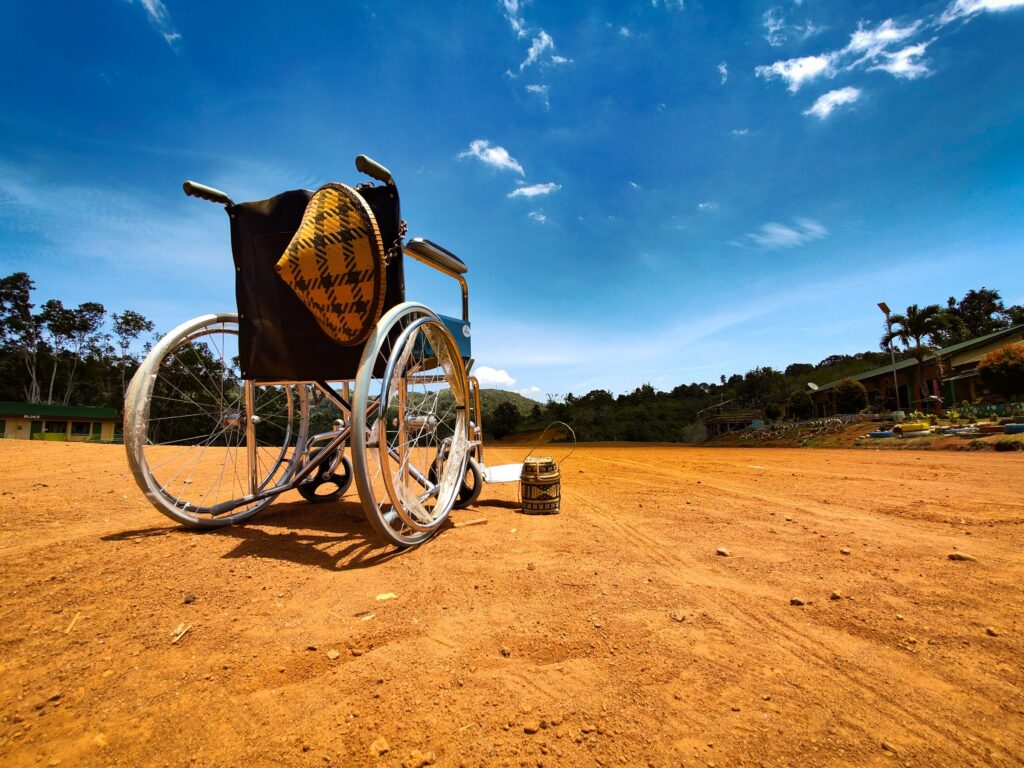
Wheelchair, seating and positioning awareness
Comfort, posture and participation for people who use a wheelchair every day.
Functional mobility and wheelchair-use considerations
Everyday seating and positioning guidance within professional competence
Posture, comfort, pressure considerations and activity participation
Environmental measurements and access observations where appropriate
Preparing information for referral to local wheelchair services
Awareness of when specialist seating, wheelchair assessment or bespoke equipment input is required
How it supports your organisation. The people you support arrive at wheelchair services with the right information already gathered, and your venues suit the chairs that come through the door.
Scope. Thrive does not provide statutory wheelchair-service approval or specialist prescriptions unless specifically qualified and authorised to do so.
L
Community education, workshops and outreach
Talks, workshops and resources shaped with your community, delivered where they are.
Accessible health-promotion talks
Mobility and independence workshops
Falls-awareness sessions
Inclusive movement and wellbeing activities
Carer and volunteer education
Equipment-awareness demonstrations
Accessibility and inclusion workshops
Practical sessions tailored to the needs of specific community groups
Co-designed educational resources, checklists and accessible information materials
Outreach activities delivered in suitable community settings or remotely where appropriate
How it supports your organisation. Your community gets clinical knowledge in a form it can use: a talk at the lunch club, a checklist on the noticeboard, a demonstration in the hall.
Who this is for
Is your organisation one of these?
Thirteen kinds of organisation we can work alongside, each with the part of our work that fits it best. If you do not see yourself here, ask anyway: every partnership is shaped around what you do and the people you support.
Disability charities
Assessment, accessibility and activity shaped around the people you champion.
Older people's organisations
Mobility, falls awareness and inclusive movement for the groups you run.
Community rehabilitation and wellbeing groups
Rehabilitation and reablement principles woven into what you already do.
Carers' organisations
Practical education and safer everyday assistance for the people who care.
Mental health and social inclusion charities
Movement, participation and confidence as part of recovery and belonging.
Community centres and local voluntary organisations
Venue walkthroughs, inclusive layouts and sessions your neighbours can join.
Homelessness and community outreach organisations
Mobility and everyday-living guidance where the service is appropriate.
Organisations supporting people with long-term conditions
Graded activity, pacing and participation for changing needs.
Inclusive sports, leisure and activity groups
Adaptable sessions, warm-ups and progression for every ability.
Organisations supporting mobility, sensory or functional needs
Access observations, positioning guidance and equipment awareness.
Family support and peer-support networks
Understanding changes, supporting independence and knowing when to ask for help.
Charities supporting independent living and participation
Daily living, home environments and the routes to specialist services.
International disability and humanitarian organisations
Rehabilitation, inclusive health, inclusion and access support, mostly remote, alongside local teams.
International and humanitarian partnerships
Beyond the borough, the same clinical care.
International organisations run rehabilitation, inclusive health, inclusion, accessible environments and emergency response for disabled people in low-income countries and after crises. We support that work with the same clinical skills, mostly remotely and always alongside local teams.
01
Rehabilitation
Rehabilitation after injury, impairment or disease, with aids that fit the person and their terrain, and local workers trained to carry it on.
Matching walking aids and wheelchairs to the person, their terrain and their daily tasks
Remote clinical mentoring and case discussion for local rehabilitation workers
02
Inclusive health
Removing the physical, communication and attitudinal barriers that keep disabled people from person-centred care.
Disability-inclusive practice training for clinic and community health staff
Accessibility walkthroughs of clinics and outreach points
03
Inclusion and education
Children with disabilities in school, and inclusion in sport, leisure and work.
Classroom seating, positioning and ergonomics
Teacher and assistant training on safe assistance and inclusive activity
04
Emergencies and displacement
Rapid support for injured, disabled, displaced and older people after conflict or disaster.
Functional-needs screening tools that field teams can use without a clinician
Safe assistance and handling training for aid workers and volunteers
05
Accessible environments and rights
Buildings, transport and services everyone can use, and disabled people's organisations speaking for themselves.
Practical access observations for buildings, water points and routes
Specifications for ramps, rails and thresholds that local trades can build
06
Mental wellbeing, carers and early childhood
Community mental health, support for the people who care, and early childhood development.
Movement, participation and routine as part of psychosocial recovery
Carer education that protects the carer's body and the person's dignity
How we deliver
Remote clinical mentoring
Train-the-trainer
Co-designed tools
In-person visits where agreed
Scope. UK-registered, delivered only where agreed, insured and within our professional scope, alongside locally registered professionals. We do not deploy as emergency responders and never replace local services.
How it is delivered
Twelve formats. Pick what suits you.
A partnership can be one visit or a standing arrangement. Twelve formats, in four groups. Every one can be combined, scaled and adapted as the partnership grows.
Visits and assessments
01Community venue visits and accessibility walkthroughs
02Individual mobility or functional assessments
03Equipment and environmental guidance
Sessions and education
04Group education sessions and workshops
05Accessible fitness and movement activities
06Carer and volunteer learning sessions
07Staff education and handling awareness
08Community outreach events
Resources and ongoing support
09Co-designed information resources
10Ongoing advisory or review arrangements where agreed
11Signposting and collaborative referral pathways
International
12Remote clinical mentoring and train-the-trainer for international teams
Ten principles that every visit, session and report is held to.
01Dignity and respect
02Individual choice and consent
03Inclusion and accessibility
04Independence without unnecessary risk
05Collaboration and shared learning
06Respect for lived experience
07Clear professional boundaries
08Safe, evidence-informed practice
09Cultural sensitivity and accessible communication
10Every person's goals and abilities are different
Where we stop
Clear boundaries, stated plainly.
We work within our professional competence, our registrations, consent, safeguarding duties and whatever we have agreed with you. Seven things that means in practice.
01
Qualified professionals
Physiotherapy and occupational therapy services are delivered by appropriately qualified professionals within their individual scope of practice.
02
Formal OT assessments
Occupational therapy-informed guidance is never presented as a formal occupational therapy assessment when one has not been provided by an appropriately qualified occupational therapist.
03
Individual recommendations
Recommendations depend on individual circumstances and assessment findings.
04
Not emergency care
Community education is not a substitute for emergency care or necessary medical assessment.
05
Referral and signposting
Appropriate referrals and signposting are made when needs fall outside the agreed service.
06
Confidentiality and safeguarding
Confidentiality, data protection, accessibility and safeguarding are considered throughout the partnership.
07
Formal and statutory assessments
Formal building, equipment, workplace or statutory assessments are undertaken only where appropriately qualified, authorised and commissioned.
Registrations, safeguarding arrangements and insurance are described on our clinical assurance page, and how we handle information on our information governance page.
The model, in three columns
What we do, and how we do it.
No stories and no illustrations: this is the work itself, how it is delivered, and what your organisation is left with.
01
What we do
Clinical work, in plain terms.
Assess how a person moves, transfers and manages everyday tasks
Advise on homes, venues, seating and equipment
Train staff, volunteers and family carers to help safely
Design activity that people of every ability can join
Signpost to the right specialist service when one is needed
02
How we do it
In your setting, or remotely, within agreed scope.
A first conversation to understand who you support and what is in the way
A written scope: what we will do, where, with whom, and by when
Physiotherapists and occupational therapists working within their registration and competence
Consent, safeguarding and information governance agreed before we start
A review together at the end: what changed, what comes next
03
What you receive
Written outputs you can act on and keep.
A plain-language summary for each person assessed
Prioritised, practical suggestions for each venue or home
A written scope and competency record for each volunteer role trained
Referral letters where a need sits outside the agreed service
Session plans and adaptations your facilitators can run without us
Start a conversation
Let's make participation easier.
Tell us about your organisation, the people you support and the barriers you keep meeting. We read every enquiry, reply to arrange a first conversation, and only then agree together what a partnership would look like.
Please do not include identifiable health information about individual people you support; that comes later, with consent, if a partnership goes ahead.
We reply to every enquiry to arrange an initial conversation.
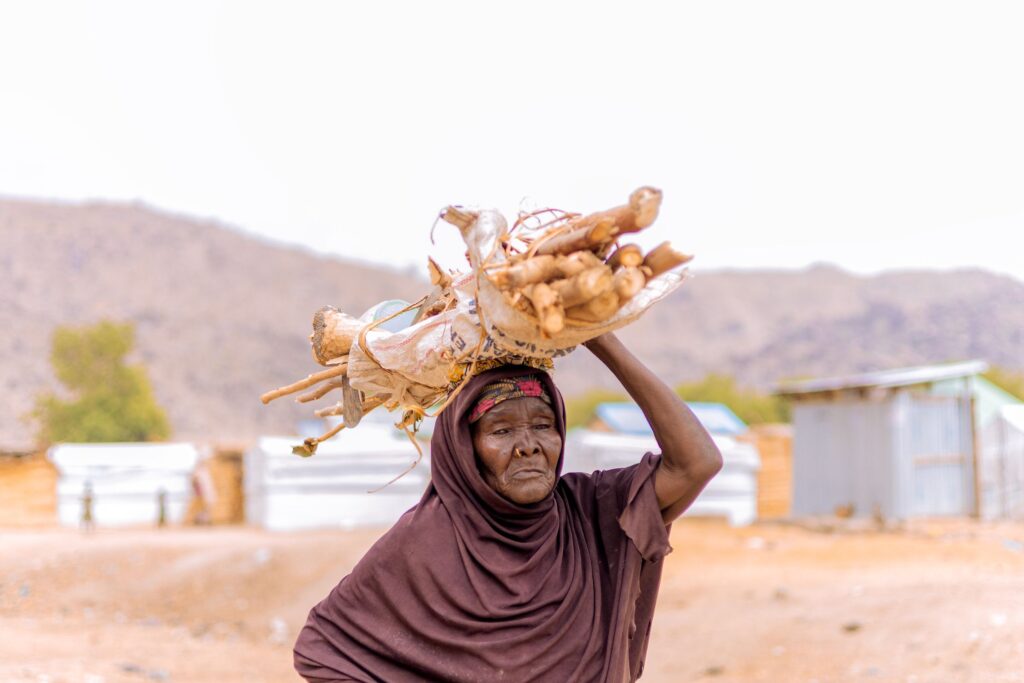
Photographs by Photo Nerd, John Lulonga, 2xman Yef, Şeyhmus Kino, Bobby Dimas, A.M. Dodo, Safari Consoler, King Shooter, Jameelah Galadanchi, Ali, Turan Şahin, Niniola, Christian Alemu, Speak Media Uganda and Vashawa Innocent via Pexels. The people photographed are not Thrive clients.